
How to Display Original Watercolor Paintings
Table of Contents
- How to Display Original Watercolor Paintings: Key Considerations
- How to Frame Original Watercolor Paintings
- Best Glass for Framing Watercolor Paintings
- How to Protect Watercolor Paintings from Sunlight
- Watercolor Painting Display Ideas for Different Spaces
- Displaying Your Watercolor Without Glass or Traditional Framing
- Maintaining and Caring for Displayed Watercolor Artwork
- Frequently Asked Questions
Last Updated: October 16, 2026
How to Display Original Watercolor Paintings: Key Considerations
Learning how to display original watercolor paintings requires thoughtful choices about framing, placement, and protection. Unlike prints or other art forms, watercolor paintings are delicate and sensitive to light, moisture, and handling. Getting the display right means your artwork stays vibrant and protected for years to come.
At Zachary Zleetni Art, we create original watercolor paintings that capture the character of streets, structures, and stories from around the world. Each piece deserves a display approach that honors its craftsmanship and keeps it safe. Whether you're hanging a painting you've commissioned or displaying one you've collected, the decisions you make now will determine how well it ages.
The good news: displaying watercolor paintings properly doesn't require expensive equipment or complex techniques. It requires understanding a few key principles about light, framing, and environment.
Understanding your watercolor's needs
Original watercolor paintings are vulnerable to three main threats: light exposure, moisture, and physical damage. Understanding these vulnerabilities shapes every display decision you'll make.
Watercolor pigments fade when exposed to UV light over time. Direct sunlight accelerates this process dramatically. Even indirect light from windows can cause noticeable color loss within months or years, depending on the intensity and duration of exposure.
Moisture is equally dangerous. Watercolor paper absorbs water easily. High humidity can cause the paper to warp, buckle, or develop mold. Low humidity can make the paper brittle and prone to cracking.
Physical contact damages watercolor paintings quickly. The pigment sits on the surface of the paper, not embedded in it like oil paint. A fingerprint, a brush against the surface, or even dust settling on the paper can leave marks that are difficult or impossible to remove.
Choosing your display location
Where you hang your watercolor matters as much as how you frame it. The location determines light exposure, humidity levels, and the risk of physical damage.
Avoid direct sunlight entirely. If your room gets afternoon sun, choose a wall that stays in shade. North-facing walls are ideal because they receive consistent, indirect light without the intense UV rays of south-facing or west-facing walls.
Keep paintings away from bathrooms, kitchens, and other high-moisture areas. These rooms experience humidity fluctuations that stress watercolor paper. Bedrooms and living rooms with moderate, stable humidity are better choices.
Place the painting at eye level or slightly above. This positioning reduces the chance of accidental contact and makes the artwork more visually prominent.
Avoid hanging paintings near heating vents, air conditioning units, or open windows. These create temperature and humidity swings that damage paper over time.
How to Frame Original Watercolor Paintings
Framing is the foundation of protecting and displaying your watercolor painting. The right frame protects the artwork while presenting it beautifully.
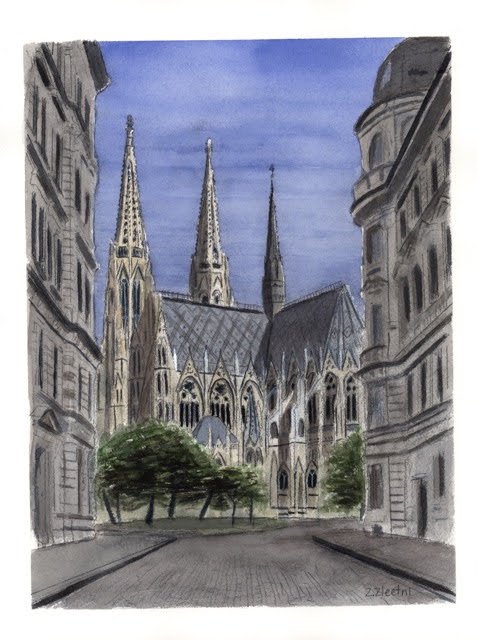
Frame styles and materials
The frame itself serves two purposes: it holds the painting securely and creates a visual boundary that complements the artwork.
Wood frames are the most common choice for watercolor paintings. They're available in dozens of finishes, from natural wood to painted colors. Choose a frame color that either complements the painting's palette or provides subtle contrast. Avoid frames so bold or decorative that they compete with the artwork.
Metal frames work well for modern or minimalist watercolors. Aluminum frames are lightweight and come in clean, simple designs. They work particularly well for paintings with contemporary subjects.
Frame depth matters. A frame with a rabbet (the groove that holds the artwork) of at least 3/8 inch accommodates the mat, painting, backing board, and spacers. Shallow frames create pressure on the artwork and make proper spacing impossible.
Working with mats and mounting
A mat serves three critical functions: it creates visual breathing room around the painting, it holds the artwork away from the glass, and it protects the edges of the paper.
Use acid-free mat board only. Regular mat board contains lignin and other chemicals that yellow and damage paper over time. Acid-free boards cost slightly more but preserve your artwork.
The mat opening should be sized so the painting's edges are covered slightly. A typical mat border is 2 to 3 inches on the sides and top, with slightly more on the bottom.
Never use adhesives to attach the painting to the mat or backing board. Instead, use Japanese paper hinges and wheat starch paste. These reversible methods hold the painting securely without damaging the paper.
The backing board behind the mat should also be acid-free. It supports the painting from behind and prevents the frame's wood from touching the artwork directly.
Best Glass for Framing Watercolor Paintings
Glass or acrylic protects the watercolor from dust, moisture, and physical contact. The type you choose affects how the painting looks and how well it's protected.
Glass versus acrylic and plexiglass options
Regular glass is inexpensive but offers no UV protection. Watercolor paintings behind regular glass fade noticeably over time, especially if any direct light reaches the frame.
UV-protective glass (also called museum glass or conservation glass) blocks 99% of UV rays. It costs more than regular glass but dramatically slows fading.
Acrylic and plexiglass are lighter than glass and won't shatter if dropped. However, they scratch easily and can create a slight yellow tint over time. They also build up static electricity that attracts dust to the painting surface.
Glare-reducing glass has a slightly textured surface that minimizes reflections. This is useful if your painting hangs opposite a window or light source. The trade-off is that glare-reducing glass slightly softens the image clarity.
Anti-reflective glass offers the best viewing experience but costs significantly more. It blocks reflections while maintaining image clarity. It's the premium choice for valuable or frequently viewed paintings.
How to Protect Watercolor Paintings from Sunlight
Sunlight is the primary threat to watercolor paintings. Protecting your artwork from UV exposure is one of the most important steps you can take.
UV protection and display placement
UV-protective glass or acrylic blocks harmful rays and slows fading. If you choose regular glass, expect noticeable color loss within 6 to 12 months of exposure to bright, indirect light. With UV-protective glass, the same painting might take years to show significant fading.
Window treatments provide a second layer of protection. Sheer curtains or blinds that filter light without blocking it entirely keep UV rays off the painting while maintaining the room's brightness. Close these treatments during the brightest parts of the day, especially in summer.
Consider the painting's position in the room carefully. A wall that receives morning light is safer than one that receives afternoon or western light. Morning light is weaker and less intense than afternoon sun.
Rotate paintings if you have multiple pieces. Displaying a painting for six months, then storing it and displaying another piece, distributes light exposure over your collection. This extends the life of each painting.
Watercolor Painting Display Ideas for Different Spaces
How you display your watercolor should reflect both the artwork and your space. Different rooms call for different approaches.
Floating frames and exposed edges
A floating frame creates the illusion that the painting hovers inside the frame without a mat. The watercolor's edges are visible, and the paper appears to float above the backing board. This look works beautifully for paintings with interesting deckled edges or when you want to showcase the full paper.
To create a floating presentation, use spacers between the glass and the painting to create depth. The painting is mounted on a backing board with Japanese hinges, and the spacers hold the glass away from the artwork. This approach requires careful assembly but creates a striking visual effect.
Floating frames work best for smaller paintings or pieces with strong compositional impact. They draw attention to the artwork's edges and the paper itself, which can be a design feature if the paper has beautiful deckled edges.
Creating gallery walls with original watercolors
A gallery wall displays multiple paintings together in a cohesive arrangement. Watercolor paintings work beautifully in gallery walls because their lighter, often watercolor-specific subject matter complements each other.
Plan the layout on the floor or wall first. Arrange your paintings and take a photo to confirm the spacing and positioning look balanced. Consistent spacing between frames creates a polished, intentional look.
Use matching or complementary frames to unify the display. Paintings in similar frames feel like a curated collection rather than random pieces. Alternatively, frames in the same finish but different styles can work if they share a visual language.
Hang the arrangement at eye level. The center of the grouping should be at approximately 57 to 60 inches from the floor. This height feels natural and comfortable for viewing.
Displaying Your Watercolor Without Glass or Traditional Framing
Not every watercolor needs conventional framing. Alternative display methods can work beautifully in the right context.
Some artists and collectors display watercolors without glass, mounted directly on a backing board or panel. This approach showcases the paper's texture and the painting's tactile qualities. The trade-off is reduced protection from dust and handling.
If you choose to display without glass, the painting must be in a protected environment. Keep it away from high-traffic areas where it might be touched. Maintain stable humidity to prevent paper warping.
A raised or floating presentation without glass creates a modern, minimalist look. The painting is mounted on a panel or backing board that's slightly recessed from the wall.
Some collectors display watercolor paintings on easels or stands. This works for smaller paintings and allows you to change the display seasonally or rotate pieces frequently. Easels are ideal if you like to refresh your décor regularly.
Maintaining and Caring for Displayed Watercolor Artwork
Once your watercolor is properly framed and displayed, ongoing care keeps it in excellent condition.
Clean the glass regularly with a soft, lint-free cloth. Dust accumulates on the outside of the glass and can make the painting appear dull.
Check the frame's condition periodically. Look for signs of warping, loose joints, or damage.
Monitor humidity levels in the room. Ideally, indoor humidity should stay between 30% and 50%. A hygrometer is an inexpensive tool that measures humidity.
Inspect the painting itself every few months. Look for any signs of fading, discoloration, or paper damage.
Avoid moving the painting frequently. Each time you move a framed painting, you risk damage to the frame or the artwork.
Displaying an original watercolor painting properly honors the artist's work and protects your investment.
At Zachary Zleetni Art, we create original watercolor paintings that capture meaningful places and stories.
Frequently Asked Questions
Do watercolor paintings need to be displayed behind glass?
Glass or acrylic glazing protects watercolor paintings from dust, moisture, and accidental damage, but it's not always required. Some collectors prefer to display watercolors without glass to showcase the paper's texture and brushwork. If you choose to display without glazing, place the painting in a low-traffic area away from moisture and direct handling. Glazing is especially important if the artwork will be in a kitchen, bathroom, or high-traffic space.
How can I protect a watercolor painting from fading?
Protect your watercolor from fading by avoiding direct sunlight and using UV-protective glass or acrylic when framing. Position the artwork away from windows or use UV-filtering glazing to block harmful rays. Keep the painting in a stable environment with moderate humidity and consistent temperature. Avoid displaying watercolors in rooms with intense afternoon sun or near heat sources. Archival-quality materials and proper storage also help preserve the pigments over time.
What's the best way to frame an original watercolor painting?
The best framing method depends on your aesthetic preferences and the painting's condition. Use acid-free mats and backing boards to prevent deterioration. Choose glazing that offers UV protection, and ensure the frame has adequate spacing between the glass and paper to allow air circulation. Reversible mounting techniques using Japanese paper hinges and wheat starch paste preserve the artwork without permanent damage. Consider floating frames to showcase the paper's edges, or traditional frames with mats for a classic presentation.
Where should you hang a watercolor painting to protect it?
Hang your watercolor in a location away from direct sunlight, moisture, and temperature fluctuations. Interior walls away from windows, doors, and bathrooms are ideal. Avoid areas above radiators, fireplaces, or in kitchens where steam and humidity can damage the artwork. Choose a spot where the painting won't be touched frequently or exposed to accidental splashes. Stable, climate-controlled rooms help preserve the pigments and paper for years to come.